
 Posted by
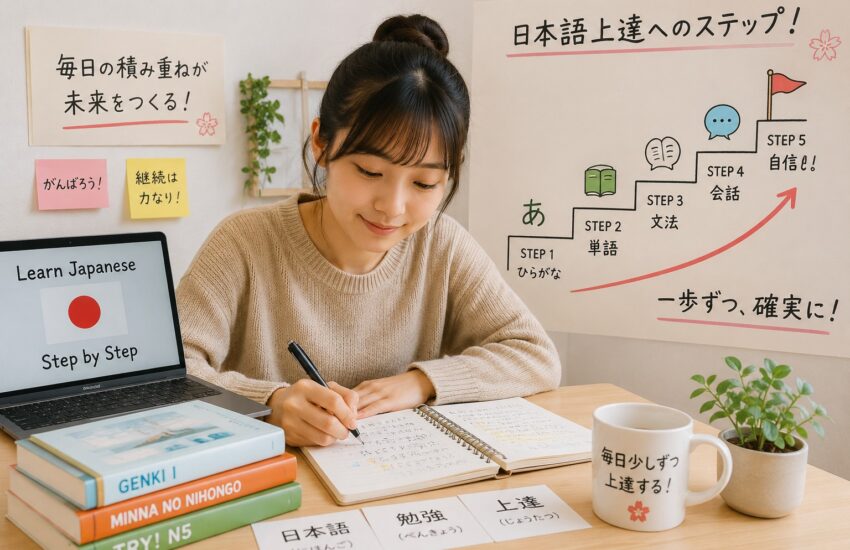
 Learning Japanese step by step every day is one of the best ways to improve your vocabulary and JLPT confidence. In today’s Daily JLPT Vocabulary series, we will study useful Japanese words from JLPT N5 to N1 with meanings and practical example sentences.
Whether you are a beginner or advanced learner, daily vocabulary practice can help you improve reading, listening, speaking, and real-life communication skills.
Table of Contents
- Daily JLPT Vocabulary N5 Words
- Daily JLPT Vocabulary N4 Words
- Daily JLPT Vocabulary N3 Words
- Daily JLPT Vocabulary N2 Words
- Daily JLPT Vocabulary N1 Words
- Vocabulary Quiz
- Study Tips
- FAQ
Why Daily Vocabulary Practice Matters
Building vocabulary daily helps you:
- Remember words more naturally
- Improve JLPT reading speed
- Understand anime, TV, and conversations better
- Speak Japanese more confidently
- Learn practical expressions used in daily life
Even studying 5–10 words every day can create big progress over time.
If you are preparing for beginner Japanese, explore our JLPT N5 course.
Students preparing for advanced exams can also check our JLPT N2 and JLPT N1 preparation lessons.
Daily JLPT Vocabulary N5 Words
ボタン(ぼたん)— Button
Meaning: button
Example
このボタンを押(お)してください。
(Please press this button.)
Study Tip
You may hear this word in elevators, stations, and electronic devices in Japan.
茶色(ちゃいろ)— Brown
Meaning: brown color
Example
茶色(ちゃいろ)の靴(くつ)を買(か)いました。
(I bought brown shoes.)
厚い(あつい)— Thick
Meaning: thick
Example
この本(ほん)はとても厚(あつ)いです。
(This book is very thick.)
ある — To Be / To Have
Meaning: existence for objects
Example
机(つくえ)の上(うえ)に本(ほん)があります。
(There is a book on the desk.)
飴(あめ)— Candy
Meaning: candy
Example
子供(こども)に飴(あめ)をあげました。
(I gave candy to the child.)
Daily JLPT Vocabulary N4 Words
赤ん坊(あかんぼう)— Baby
Example
赤ん坊(あかんぼう)が眠(ねむ)っています。
(The baby is sleeping.)
番組(ばんぐみ)— TV Program
Example
この番組(ばんぐみ)はとても人気(にんき)です。
(This program is very popular.)
注意(ちゅうい)— Caution / Attention
Example
車(くるま)に注意(ちゅうい)してください。
(Please be careful of cars.)
暖房(だんぼう)— Heating
Example
冬(ふゆ)は暖房(だんぼう)を使(つか)います。
(In winter, we use heating.)
どんどん — Rapidly / More and More
Example
日本語(にほんご)がどんどん上達(じょうたつ)しています。
(My Japanese is improving more and more.)
Daily JLPT Vocabulary N3 Words
本物(ほんもの)— Genuine Article
Example
これは本物(ほんもの)の絵(え)です。
(This is a genuine painting.)
語学(ごがく)— Language Study
Example
語学(ごがく)の勉強(べんきょう)が好(す)きです。
(I like studying foreign languages.)
外出(がいしゅつ)— Going Out
Example
今日は外出(がいしゅつ)しません。
(I won’t go out today.)
男子(だんし)— Young Man / Boy
Example
男子(だんし)学生(がくせい)が多(おお)いです。
(There are many male students.)
父親(ちちおや)— Father
Example
父親(ちちおや)は会社(かいしゃ)で働(はたら)いています。
(My father works at a company.)
Daily JLPT Vocabulary N2 Words
外科(げか)— Surgery Department
Example
外科(げか)で診察(しんさつ)を受(う)けました。
(I received an examination in the surgery department.)
待合室(まちあいしつ)— Waiting Room
Example
待合室(まちあいしつ)で待(ま)っています。
(I am waiting in the waiting room.)
名刺(めいし)— Business Card
Example
会議(かいぎ)で名刺(めいし)を交換(こうかん)しました。
(I exchanged business cards at the meeting.)
Practical Tip
名刺 exchange is an important business custom in Japan.
並木(なみき)— Row of Trees
Example
並木道(なみきみち)を散歩(さんぽ)しました。
(I walked along a tree-lined road.)
再三(さいさん)— Again and Again
Example
再三(さいさん)説明(せつめい)しました。
(I explained it again and again.)
Daily JLPT Vocabulary N1 Words
映像(えいぞう)— Video / Image
Example
その映像(えいぞう)は世界中(せかいじゅう)で話題(わだい)になった。
(The video became a global topic.)
医師の免許(いしのめんきょ)— Medical License
Example
医師(いし)の免許(めんきょ)を取(と)るのは難(むずか)しい。
(It is difficult to obtain a medical license.)
樹木(じゅもく)— Tree
Example
公園(こうえん)の樹木(じゅもく)を大切(たいせつ)に守(まも)る。
(We protect the trees in the park.)
めきめき上達する — To Improve Rapidly
Example
彼(かれ)は日本語(にほんご)がめきめき上達(じょうたつ)している。
(His Japanese is improving rapidly.)
堅実な選択(けんじつなせんたく)— Safe / Steady Choice
Example
将来(しょうらい)のために堅実(けんじつ)な選択(せんたく)をした。
(I made a safe choice for the future.)
[IMAGE: Advanced Japanese learner studying JLPT N1 vocabulary]
Quick Vocabulary Quiz
1. What does 名刺(めいし) mean?
a) Passport
b) Business card
c) Ticket
Answer: b) Business card
2. Which word means “waiting room”?
a) 外科
b) 並木
c) 待合室
Answer: c) 待合室
3. What does どんどん mean?
a) Slowly
b) Rapidly
c) Quietly
Answer: b) Rapidly
4. Which JLPT level word means “genuine article”?
Answer: 本物(ほんもの)
Practical Study Tip
Try using new vocabulary in your own sentences every day. Writing simple examples helps you remember grammar, kanji, and meaning more naturally.
You can also:
- Review vocabulary before sleeping
- Read example sentences aloud
- Practice shadowing pronunciation
- Group words by topic
Consistency is more important than studying too much at once.
CTA – Start Learning Japanese with Expert Teachers
Want to improve your Japanese step by step with structured lessons and native Japanese teachers?
My Japanese Online offers:
- JLPT N5–N1 preparation
- Business Japanese lessons
- Private online classes
- Practical speaking practice
- Flexible learning support
Start your Japanese learning journey today with a trial lesson.
[Add Trial Class Button Here]
FAQ
How many Japanese words should I study daily?
Studying 5–10 words daily is a great starting point for long-term improvement.
Is daily vocabulary practice useful for JLPT?
Yes. Daily vocabulary study improves reading, listening, grammar understanding, and test confidence.
Should I study all JLPT levels together?
Beginners should focus on their current level first, but reviewing higher-level vocabulary gradually can also help motivation.
How can I remember Japanese vocabulary better?
Practice using words in sentences, review regularly, and study consistently every day.
Useful Japanese Study Resources
Official JLPT Website:
https://www.jlpt.jp/e/
Japan Foundation Japanese Learning Resources:
https://www.jpf.go.jp/e/project/japanese/education/resource/