
 Posted by
 JLPT Vocabulary with Examples Day 3 (N5–N1) – Master Japanese Faster
Introduction
JLPT vocabulary with examples is one of the most effective ways to improve your Japanese language skills. In this Day 3 lesson, you’ll learn essential vocabulary from JLPT N5 to N1 levels with meanings and practical example sentences.
Whether you’re preparing for the JLPT exam or aiming to speak Japanese confidently, learning vocabulary in context helps you remember faster and use words naturally.
Table of Contents
- JLPT N5 Vocabulary with Examples
- JLPT N4 Vocabulary with Examples
- JLPT N3 Vocabulary with Examples
- JLPT N2 Vocabulary with Examples
- JLPT N1 Vocabulary with Examples
JLPT N5 Vocabulary with Examples
Word: 赤い
Reading: あかい
Meaning: red; crimson; scarlet
Example: 赤い花が庭に咲いている。
Translation: Red flowers are blooming in the garden.
Word: 甘い
Reading: あまい
Meaning: sweet; sugary; naive
Example: このケーキはとても甘い。
Translation: This cake is very sweet.
Word: 兄
Reading: あに
Meaning: elder brother
Example: 兄は大学生です。
Translation: My older brother is a university student.
Word: 遊ぶ
Reading: あそぶ
Meaning: to play
Example: 週末は友達と遊ぶ。
Translation: On weekends, I play with my friends.
Word: 後
Reading: あと
Meaning: after
Example: 授業の後で話しましょう。
Translation: Let’s talk after class.
(Continue same format for N4, N3, N2, N1…)
How to Use JLPT Vocabulary with Examples
Practice these words daily by speaking, writing, and using them in real-life conversations. This will help you remember faster and improve fluency.
Quick Quiz
- What does 甘い mean?
- Fill in: 週末は友達と___
- What is 努力?
- Meaning of 文化?
- What does 容疑者を逮捕する mean?
Ready to speak Japanese confidently?
Learn Japanese online with native licensed teachers through structured JLPT and communication courses. Book your trial class today.
Website: https://myjapaneseonline.com
WhatsApp: https://whatsapp.com/channel/0029Vb74C2T0wajtXvwo5r0p
Contact: +81-8037032389
Building strong Japanese vocabulary is essential for passing the JLPT and communicating confidently in real-life situations. In this daily vocabulary series, we cover carefully selected JLPT words from N5 (beginner) to N1 (advanced), complete with meanings and practical example sentences.
This structured approach helps you gradually improve your reading, speaking, and comprehension skills. Whether you are just starting your Japanese learning journey or preparing for higher-level exams, consistent daily practice is the key to success.
In today’s lesson, you will learn useful words related to daily life, culture, academics, and advanced expressions used in professional and social contexts. Make sure to read the examples carefully and try using these words in your own sentences.
JLPT N5 Vocabulary with Examples
Word: 赤い
Reading: あかい
Meaning: red; crimson; scarlet
Example: 赤い花が庭に咲いている。
Translation: Red flowers are blooming in the garden.
Word: 甘い
Reading: あまい
Meaning: sweet; sugary; naive
Example: このケーキはとても甘い。
Translation: This cake is very sweet.
Word: 兄
Reading: あに
Meaning: elder brother; older brother
Example: 兄は大学生です。
Translation: My older brother is a university student.
Word: 遊ぶ
Reading: あそぶ
Meaning: to play; to enjoy oneself
Example: 週末は友達と遊ぶ。
Translation: On weekends, I play with my friends.
Word: 後
Reading: あと
Meaning: after; behind; remainder
Example: 授業の後で話しましょう。
Translation: Let’s talk after class.
JLPT N4 Vocabulary with Examples
Word: アジア
Reading: あじあ
Meaning: Asia
Example: 日本はアジアにある国です。
Translation: Japan is a country in Asia.
Word: アナウンサー
Reading: あなうんさー
Meaning: announcer
Example: 彼女はテレビ局のアナウンサーです。
Translation: She is a TV announcer.
Word: 集める
Reading: あつめる
Meaning: to collect; to gather
Example: 切手を集めるのが趣味です。
Translation: My hobby is collecting stamps.
Word: 僕
Reading: ぼく
Meaning: I (used by males)
Example: 僕は日本語を勉強しています。
Translation: I am studying Japanese.
Word: 文化
Reading: ぶんか
Meaning: culture
Example: 日本の文化に興味があります。
Translation: I am interested in Japanese culture.
JLPT N3 Vocabulary with Examples
Word: 有らゆる
Reading: あらゆる
Meaning: all; every
Example: 有らゆる可能性を考える必要がある。
Translation: We need to consider every possibility.
Word: 分析
Reading: ぶんせき
Meaning: analysis
Example: データを分析して結果をまとめた。
Translation: I analyzed the data and summarized the results.
Word: 努力
Reading: どりょく
Meaning: effort; hard work; striving
Example: 成功のために毎日努力している。
Translation: I make an effort every day to succeed.
Word: 不足
Reading: ふそく
Meaning: shortage; lack
Example: 睡眠不足は健康に悪い。
Translation: A lack of sleep is bad for your health.
Word: 学
Reading: がく
Meaning: learning; study of
Example: 彼は経済学を専攻している。
Translation: He is majoring in economics.
JLPT N2 Vocabulary with Examples
Word: 長男
Reading: ちょうなん
Meaning: eldest son
Example: 彼は三人兄弟の長男です。
Translation: He is the eldest son of three brothers.
Word: 円周
Reading: えんしゅう
Meaning: circumference
Example: この円の円周を計算してください。
Translation: Please calculate the circumference of this circle.
Word: 発売
Reading: はつばい
Meaning: sale; product launch
Example: 新しいスマートフォンが来週発売される。
Translation: The new smartphone will be released next week.
Word: 人文科学
Reading: じんぶんかがく
Meaning: humanities; social sciences
Example: 大学で人文科学を学んでいる。
Translation: I study humanities at university.
Word: 開会
Reading: かいかい
Meaning: opening of a meeting
Example: 会議は10時に開会した。
Translation: The meeting opened at 10 o’clock.
JLPT N1 Vocabulary with Examples
Word: 価値観
Reading: かちかん
Meaning: values; sense of values
Example: 人によって価値観は違う。
Translation: People have different values.
Word: 身なりを整える
Reading: みなりをととのえる
Meaning: to tidy up one’s appearance
Example: 面接の前に身なりを整えた。
Translation: I tidied up my appearance before the interview.
Word: ズボンの裾
Reading: ずぼんのすそ
Meaning: hem of trousers
Example: ズボンの裾が長すぎる。
Translation: The hem of the trousers is too long.
Word: 景気が低迷する
Reading: けいきがていめいする
Meaning: economic slowdown
Example: 景気が低迷している。
Translation: The economy is stagnating.
Word: 容疑者を逮捕する
Reading: ようぎしゃをたいほする
Meaning: to arrest the suspect
Example: 警察は容疑者を逮捕した。
Translation: The police arrested the suspect.
How to Use These Words in Daily Japanese Practice
To retain vocabulary effectively, try using these words in your daily conversations, journaling, or language exchange sessions. Focus on creating your own sentences and speaking them aloud. Reviewing vocabulary in context—not isolation—will significantly improve your fluency and confidence.
You can also group words by theme (family, culture, work) and practice them in real-life scenarios.
Quick Practice Quiz
- What does 「甘い」 mean?
- Fill in the blank: 週末は友達と___。
- What is the meaning of 「努力」?
- Choose the correct meaning of 「文化」:
a) Economy
b) Culture
c) Language - What does 「容疑者を逮捕する」 mean?
Ready to Learn Japanese Faster?
Ready to speak Japanese confidently? Learn Japanese online with native licensed teachers through structured JLPT and communication courses. Book your trial class today.
🌐 Website: https://myjapaneseonline.com
📱 WhatsApp Channel: https://whatsapp.com/channel/0029Vb74C2T0wajtXvwo5r0p
📞 Contact: +81-8037032389
Internal Linking Suggestions
- JLPT Course Page (N5–N1 preparation)
- Private Japanese Lessons Page
- Business Japanese Course Page
- Previous Blog: JLPT Vocabulary Day 2
- Next Blog: JLPT Vocabulary Day 4
Image Suggestions
Featured Image:
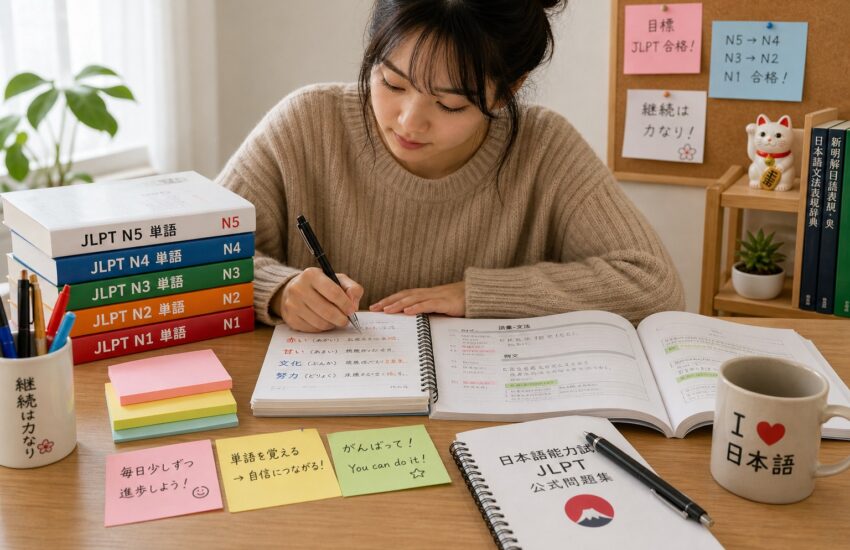
- JLPT vocabulary with examples study Japanese student
In-blog Images:
- Flashcards with Japanese vocabulary
- Student attending an online Japanese class
Categories and Tags
Categories:
- JLPT Vocabulary
- Learn Japanese
- Japanese Language Study
Tags:
- JLPT N5
- JLPT N4
- JLPT N3
- JLPT N2
- JLPT N1
- Japanese vocabulary
- Learn Japanese online
- Daily Japanese words